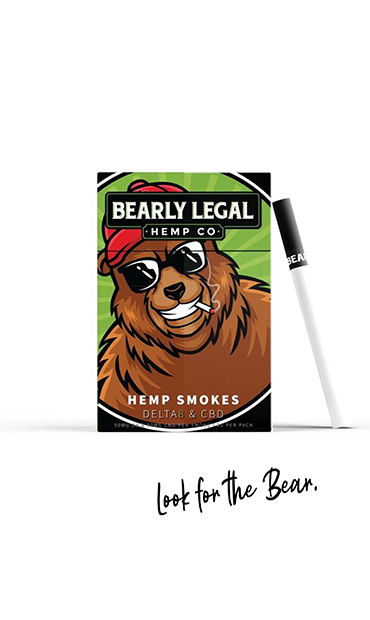
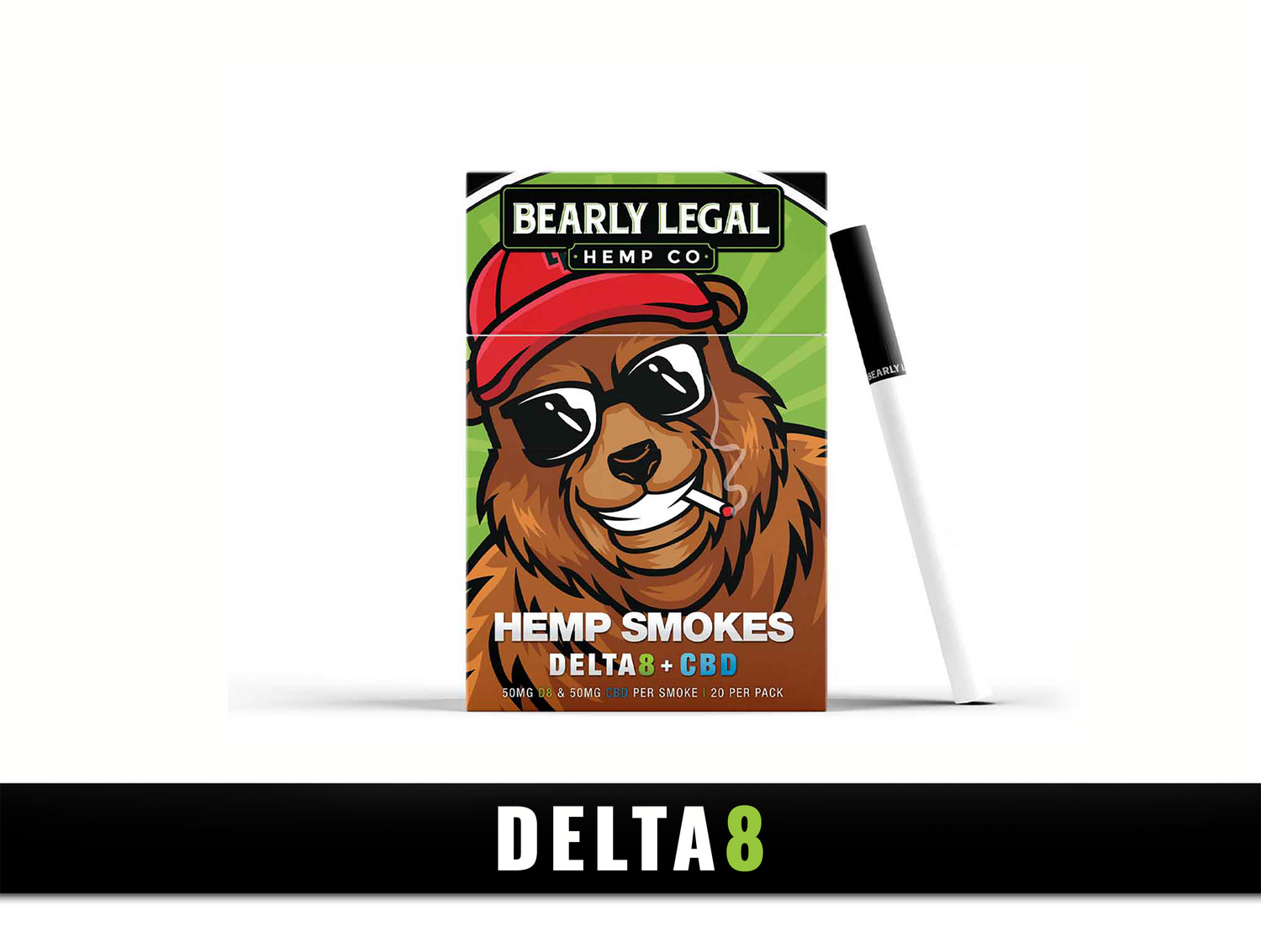
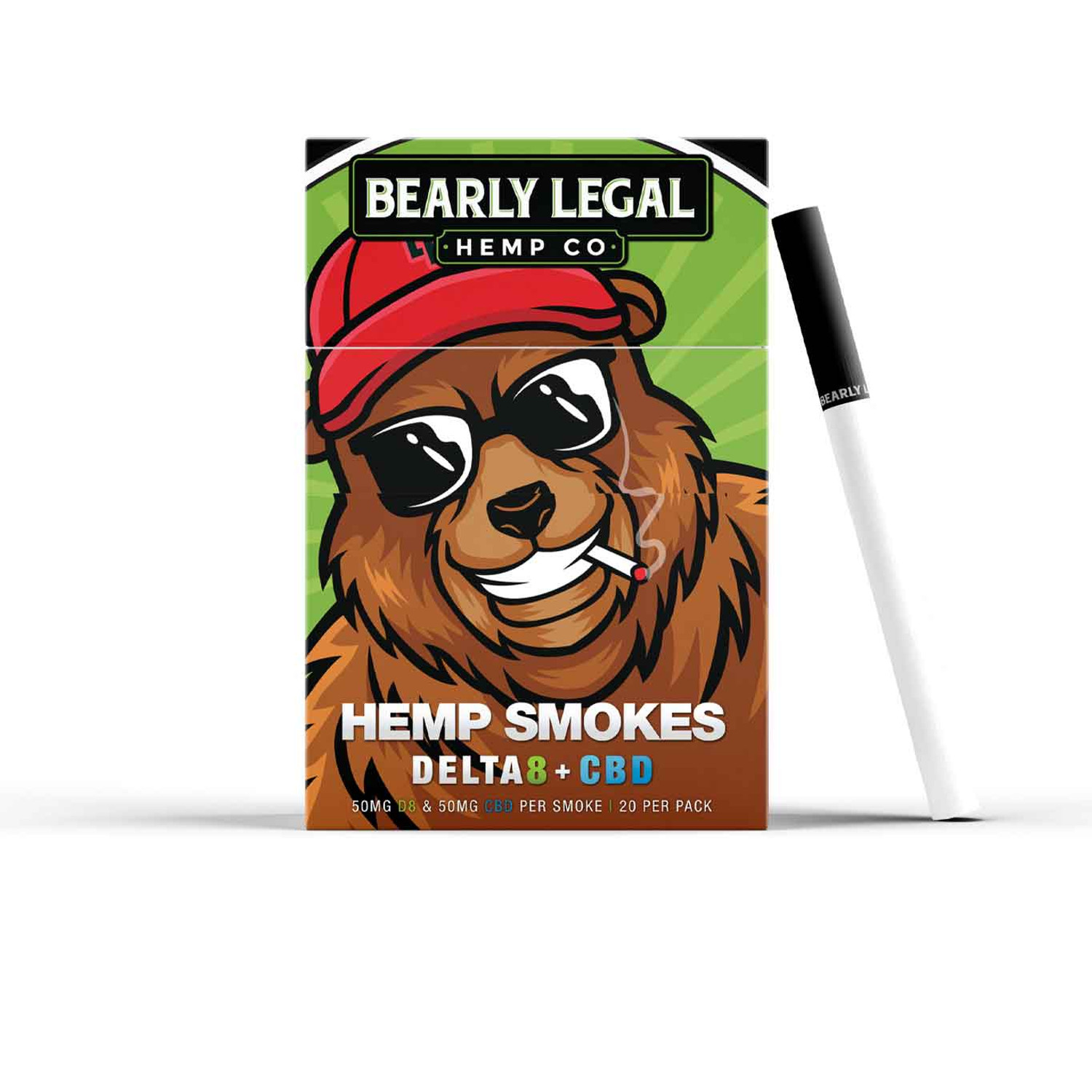


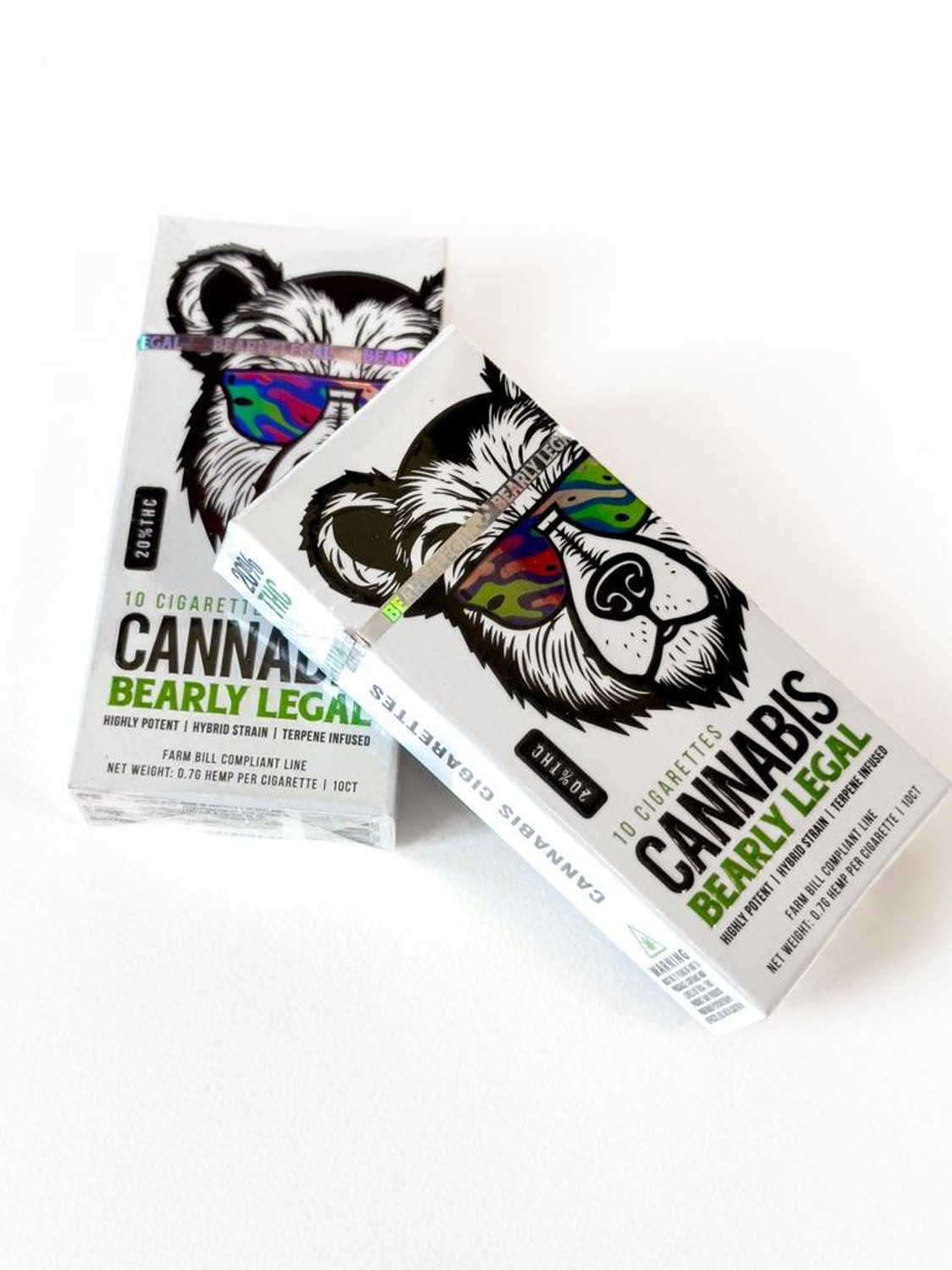
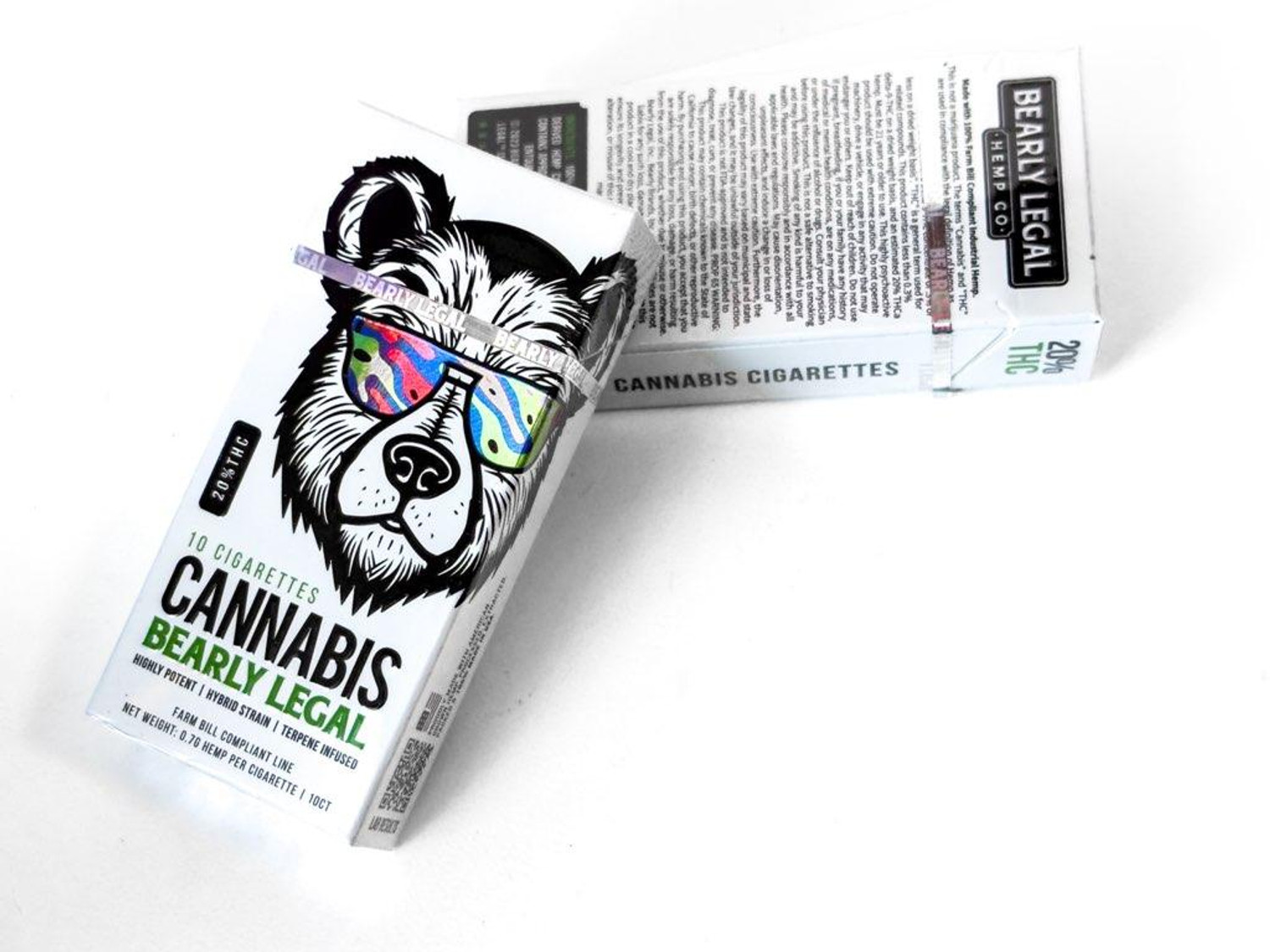
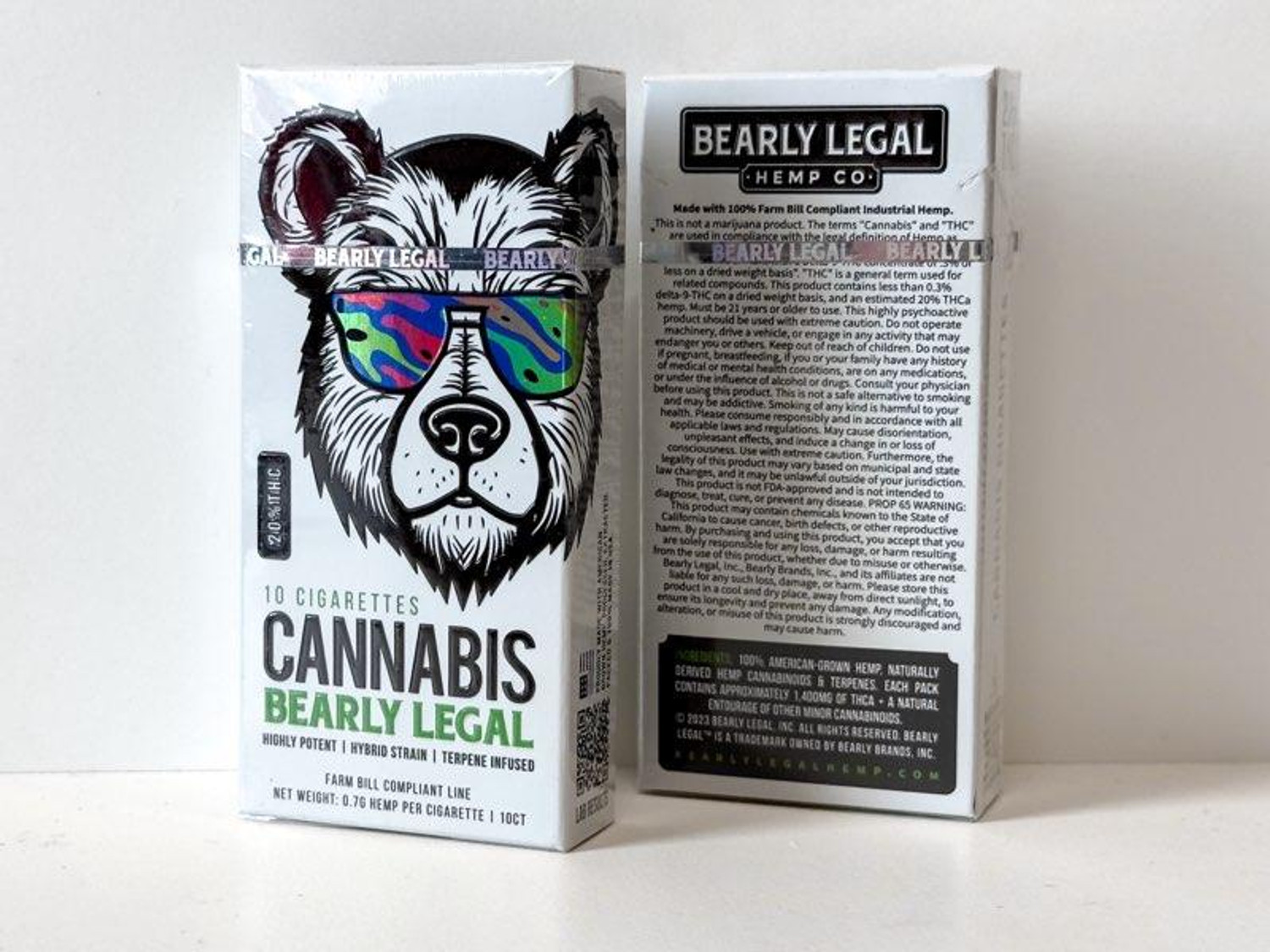
Bearly Legal Delta-8-THC Hemp Cigarettes
Now:
$9.99
Look for the Bear!
Top Selling Items from The Bear






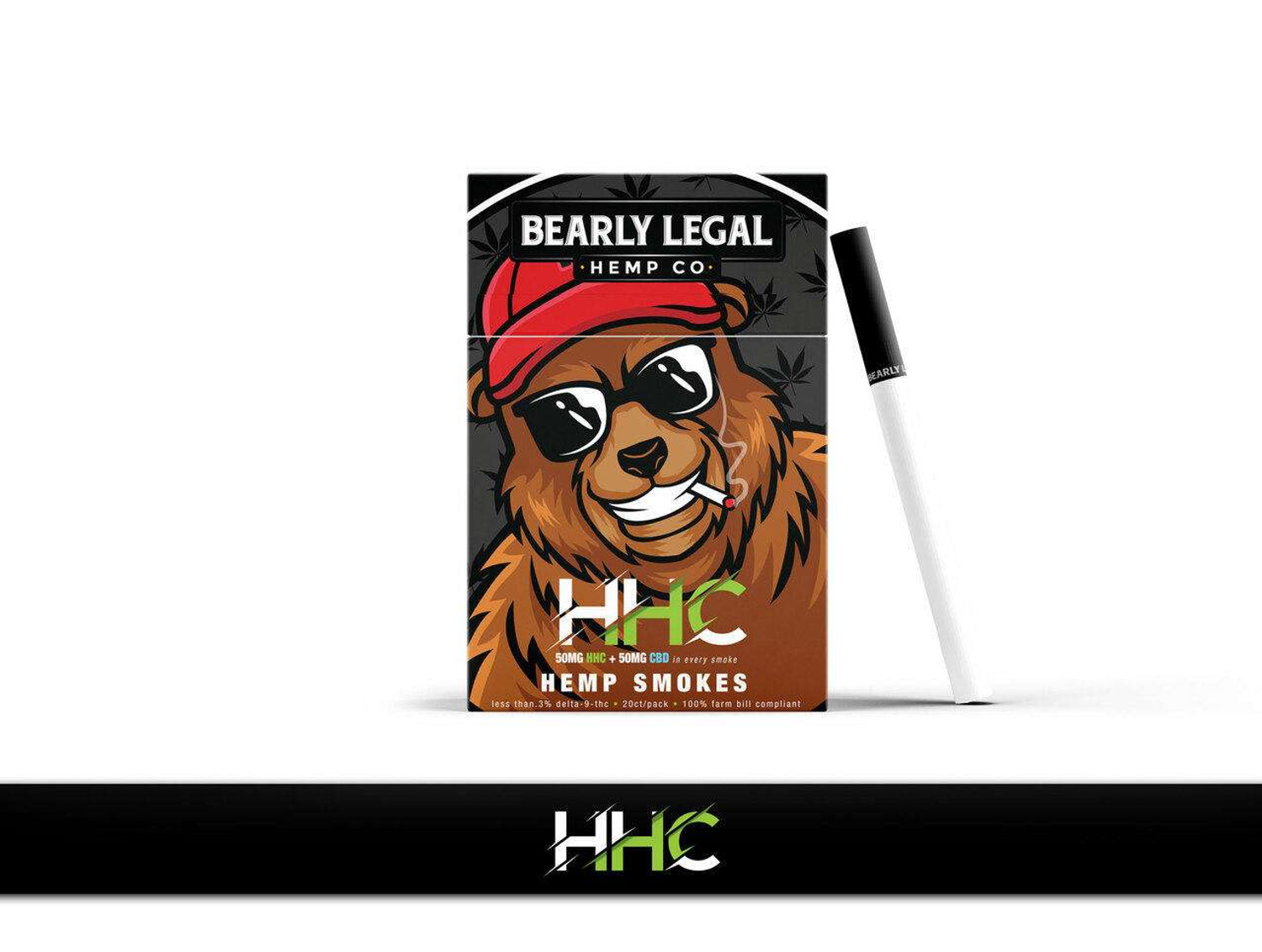
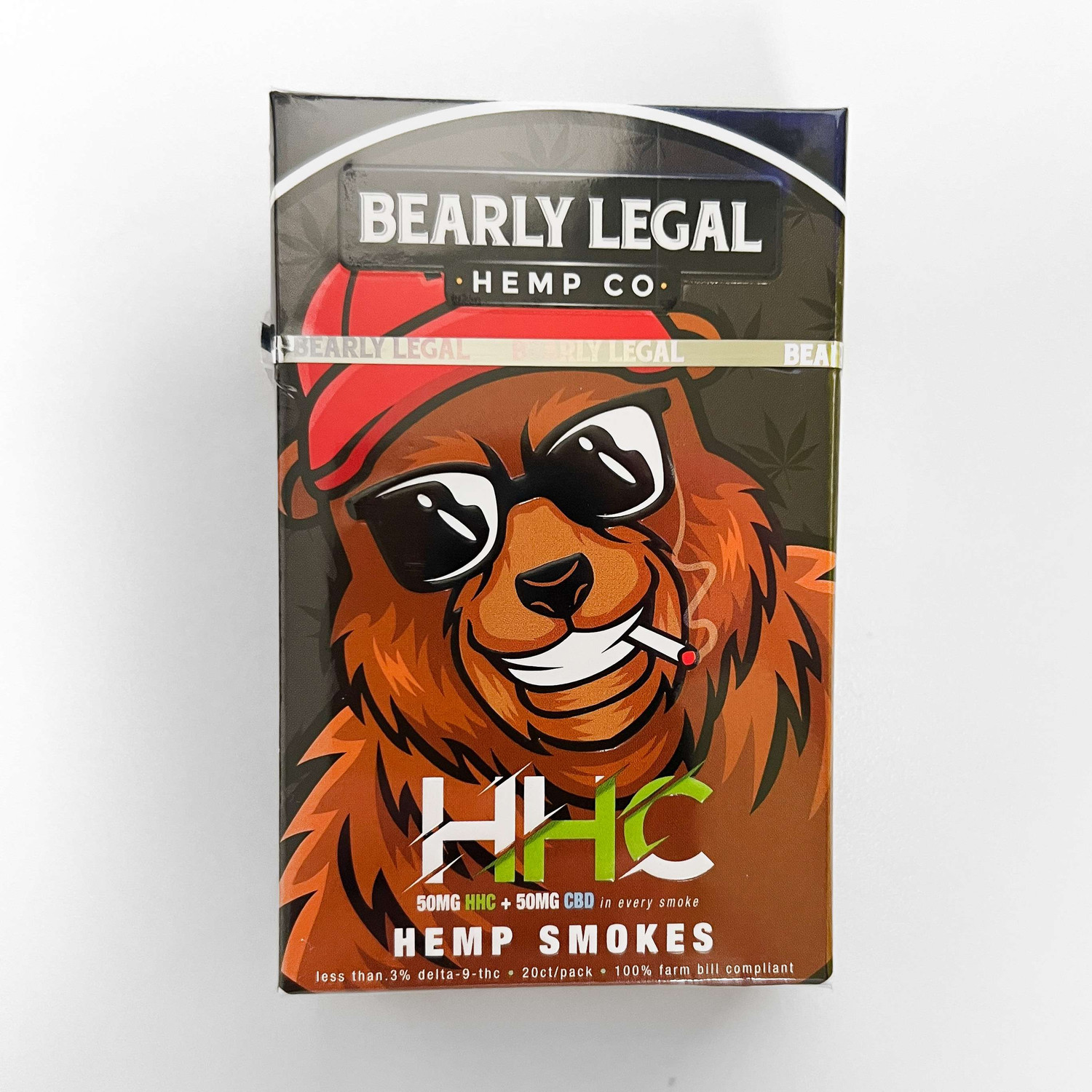

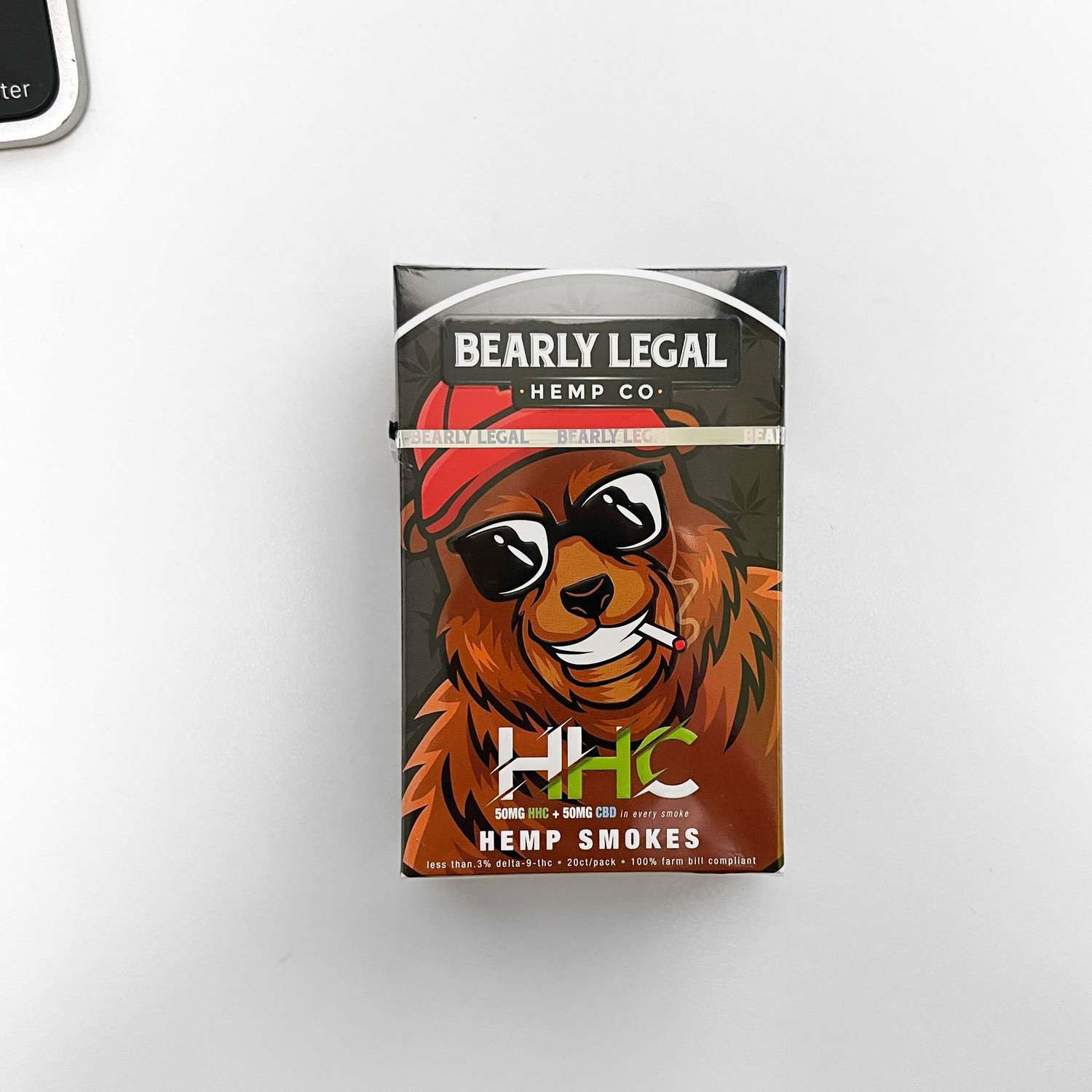


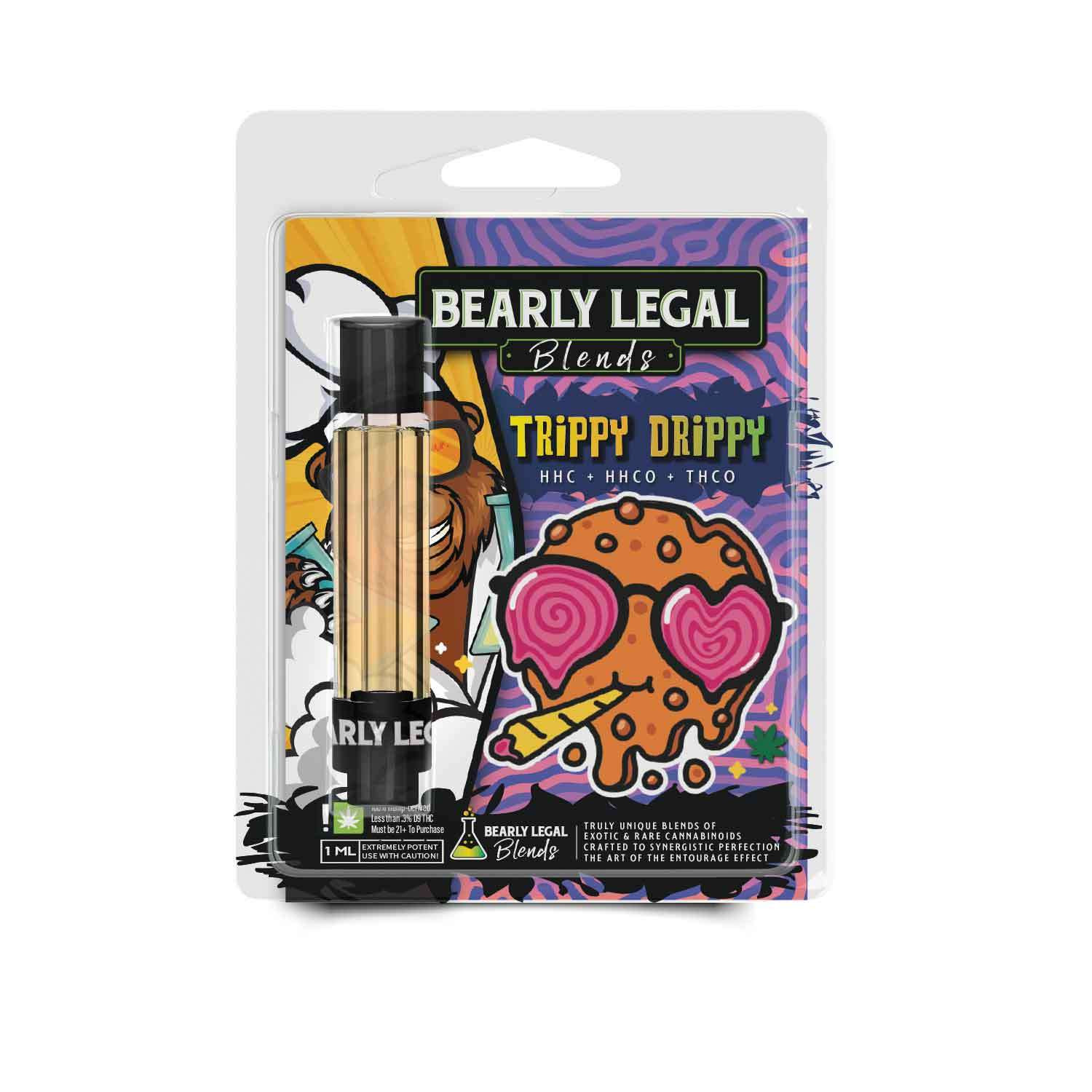

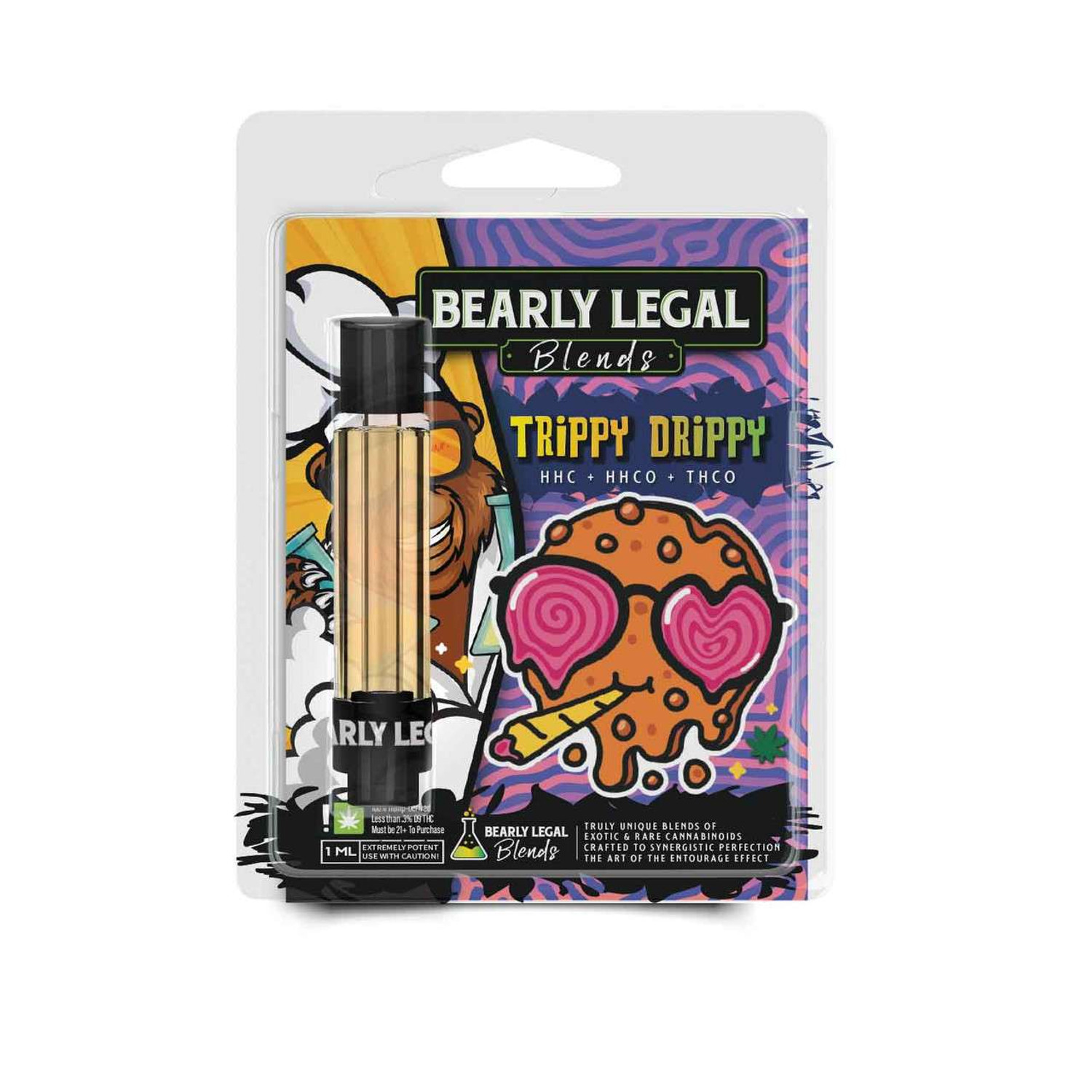


Popular Trending Products


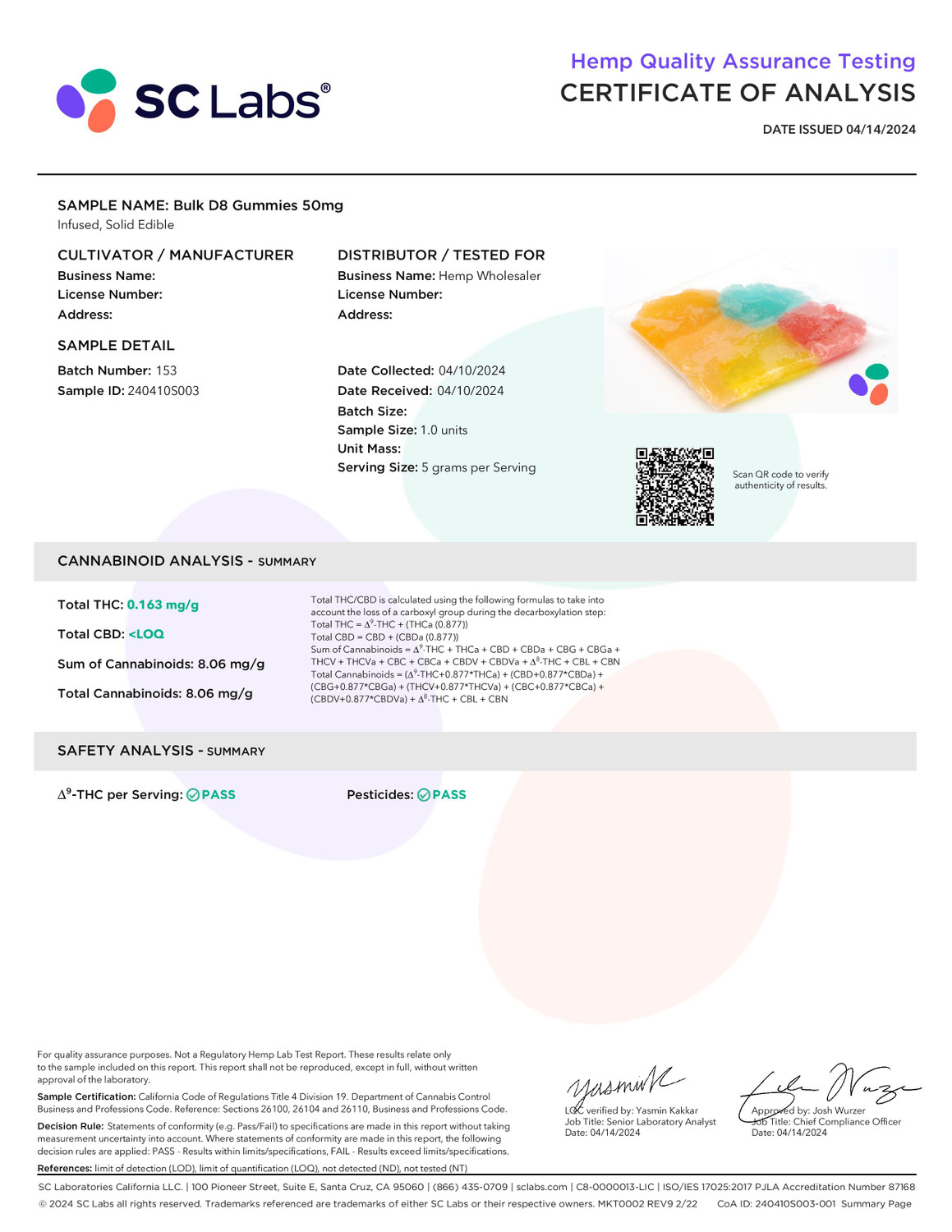
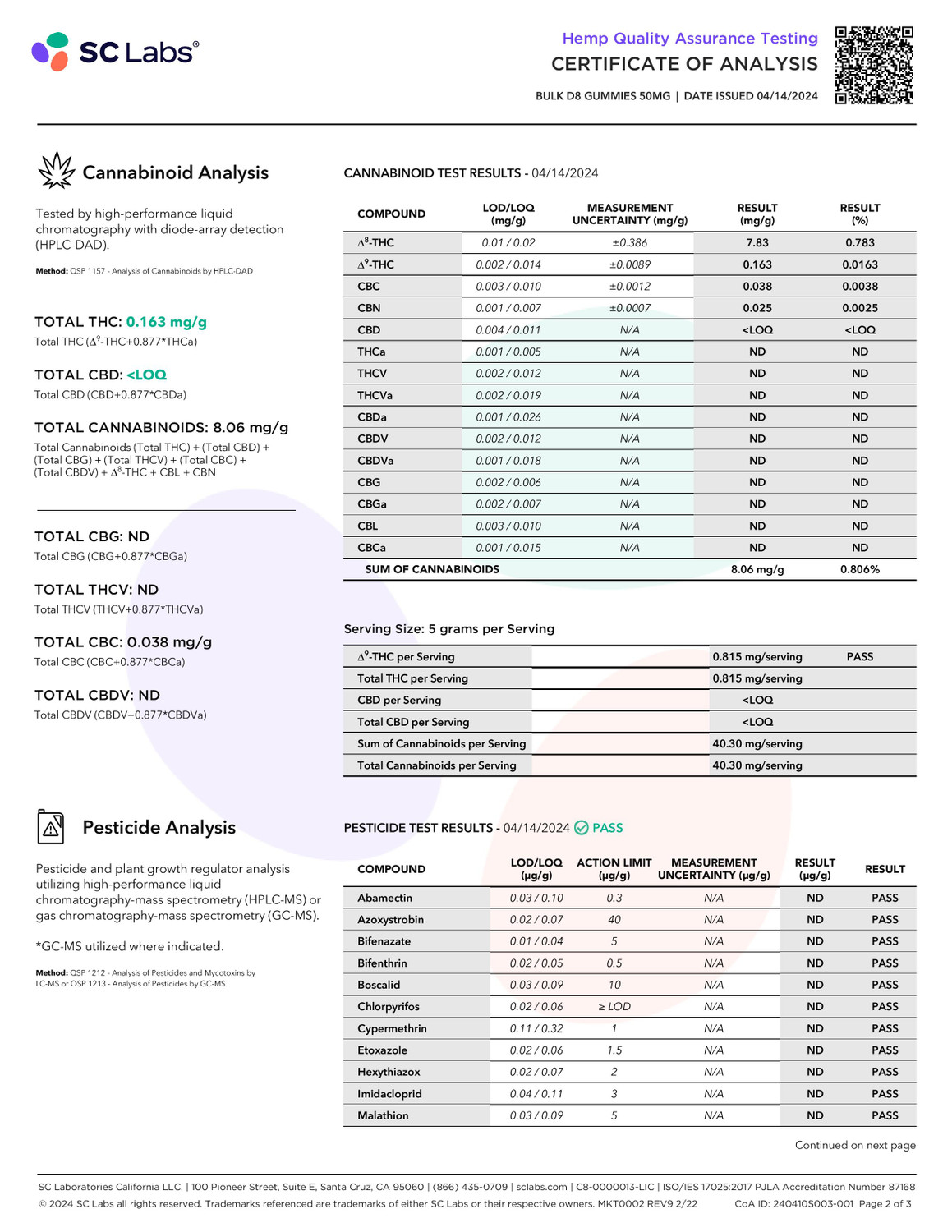
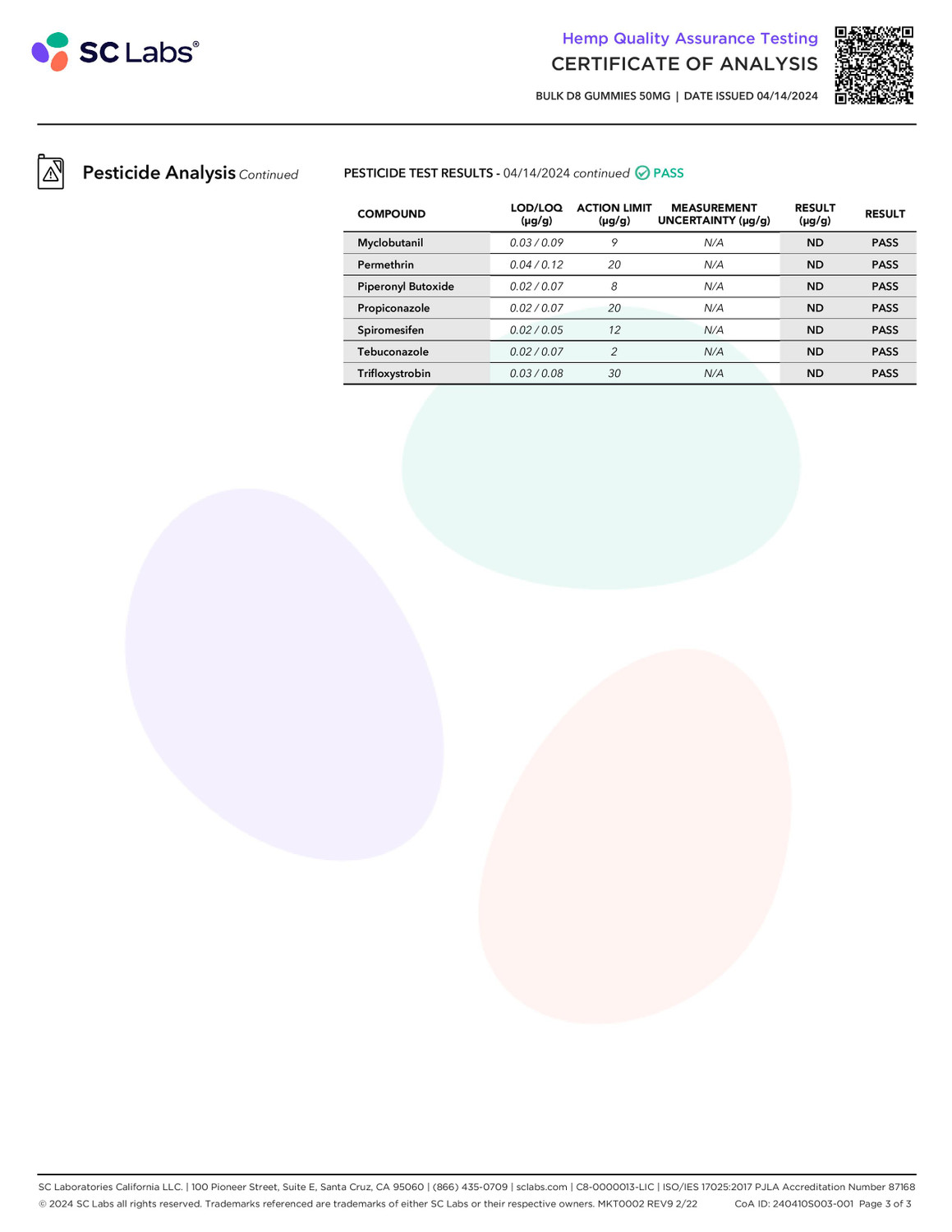





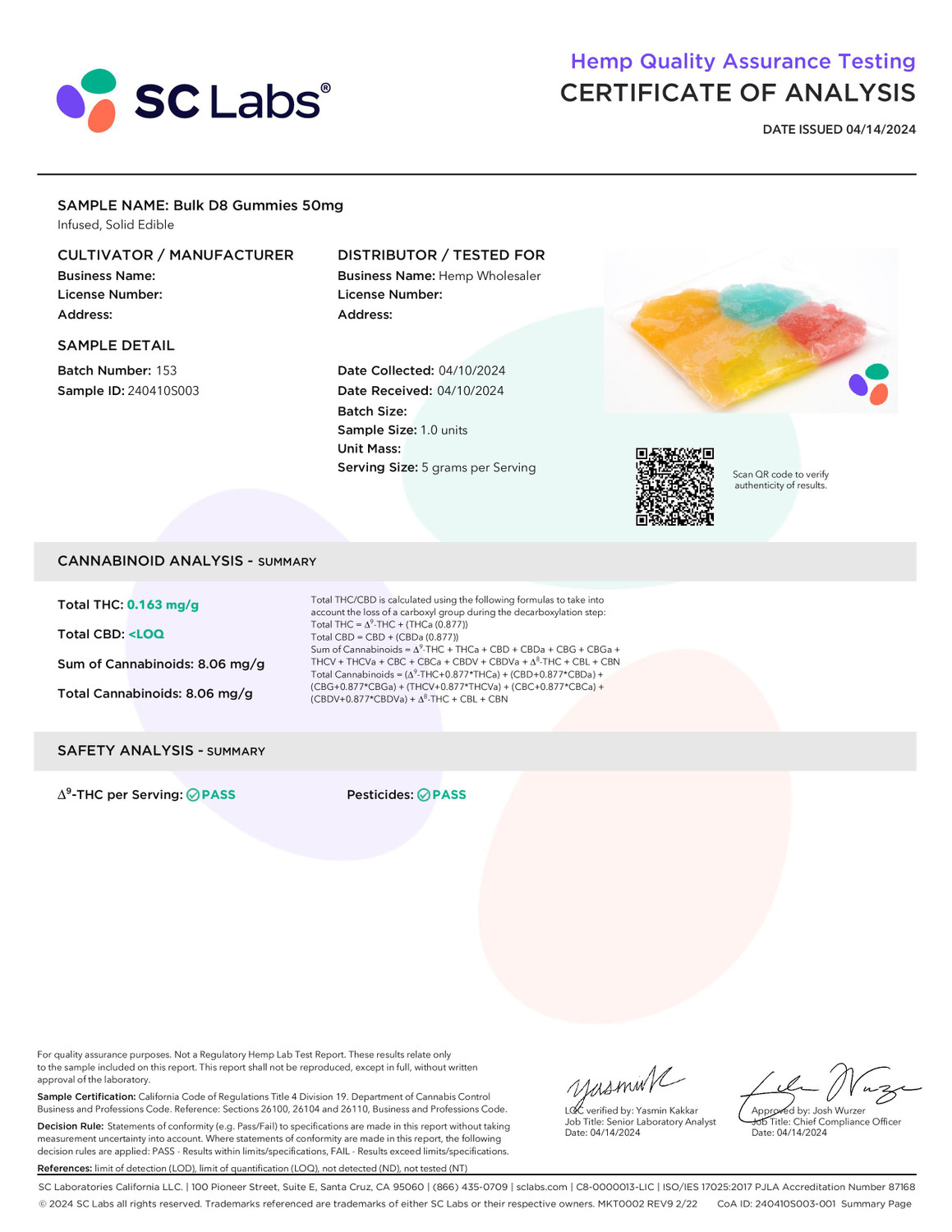

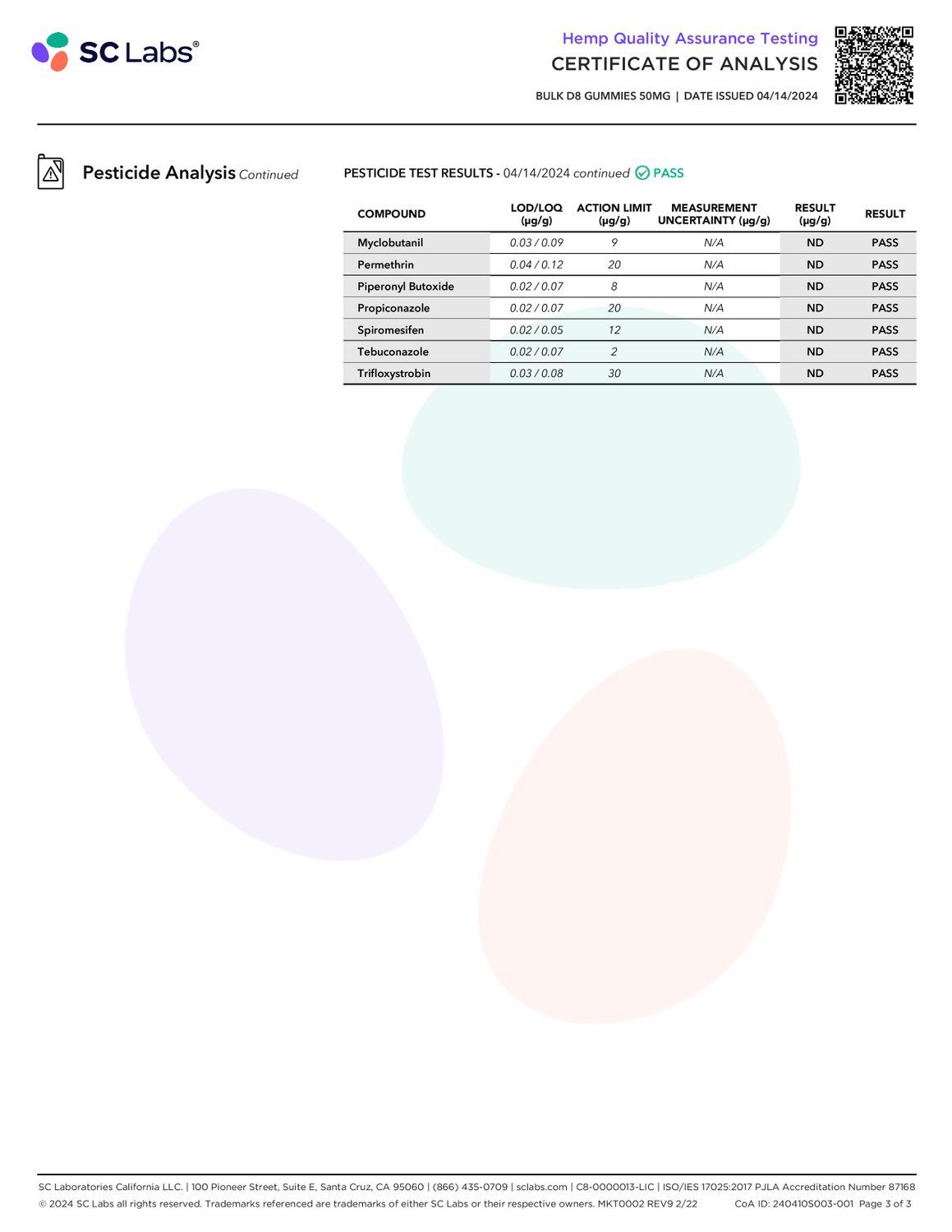

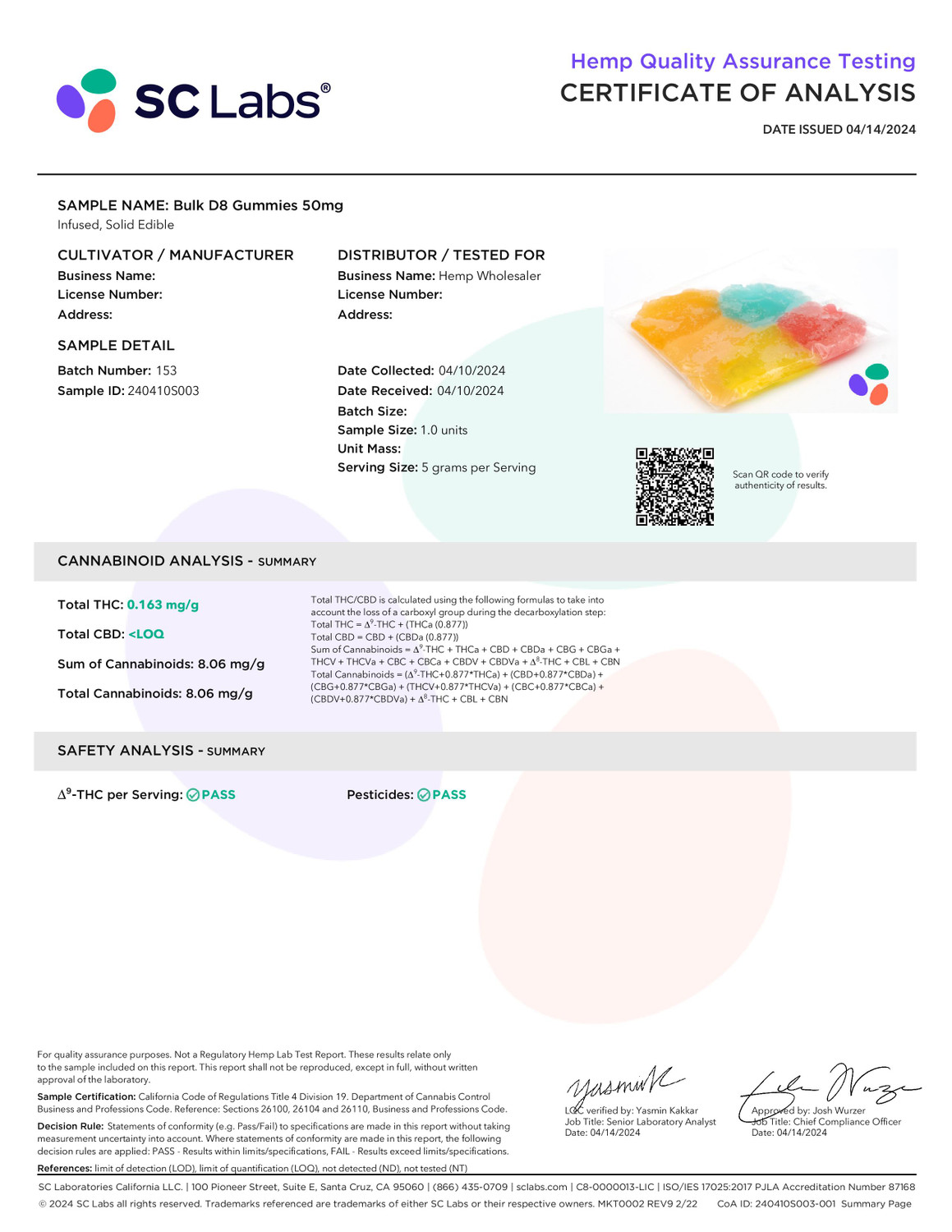
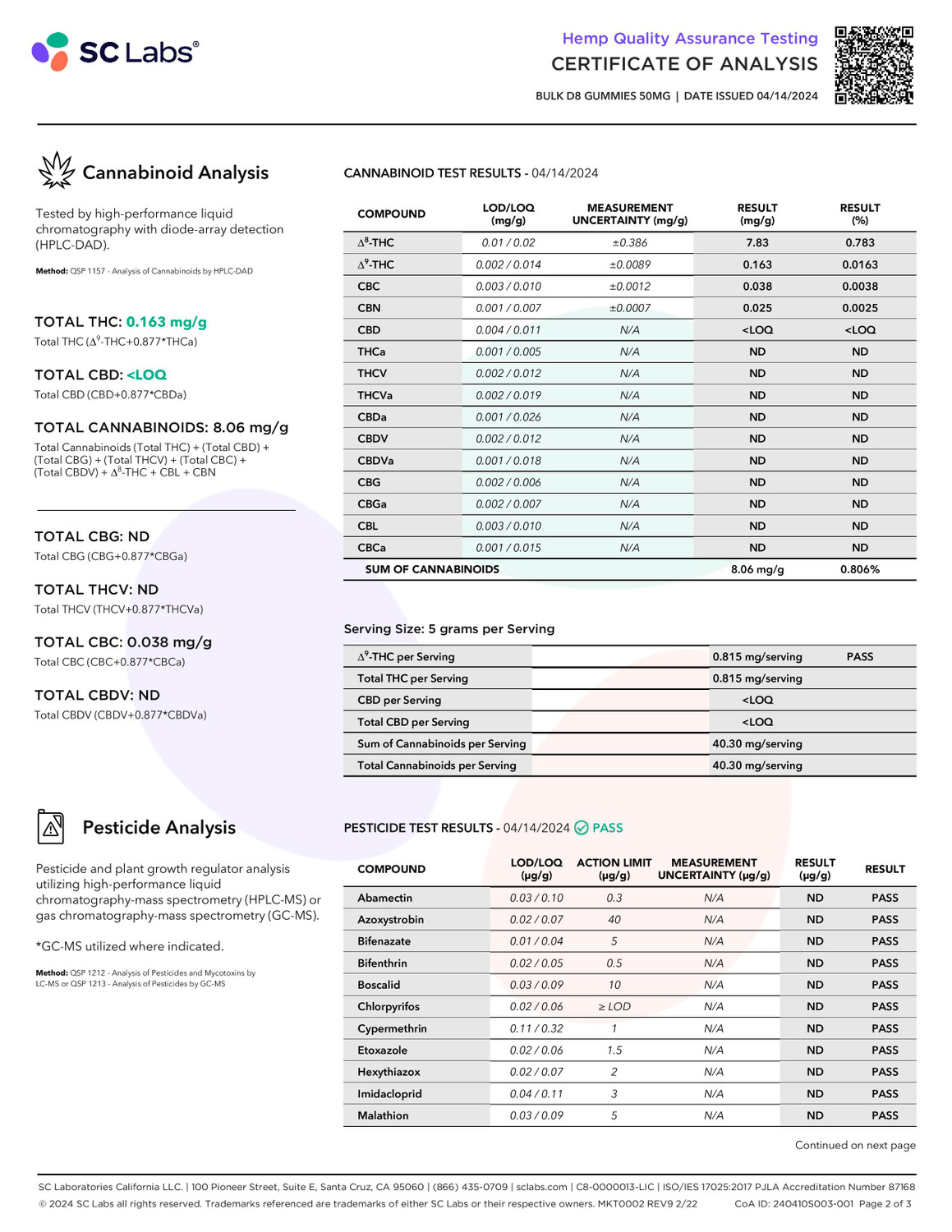


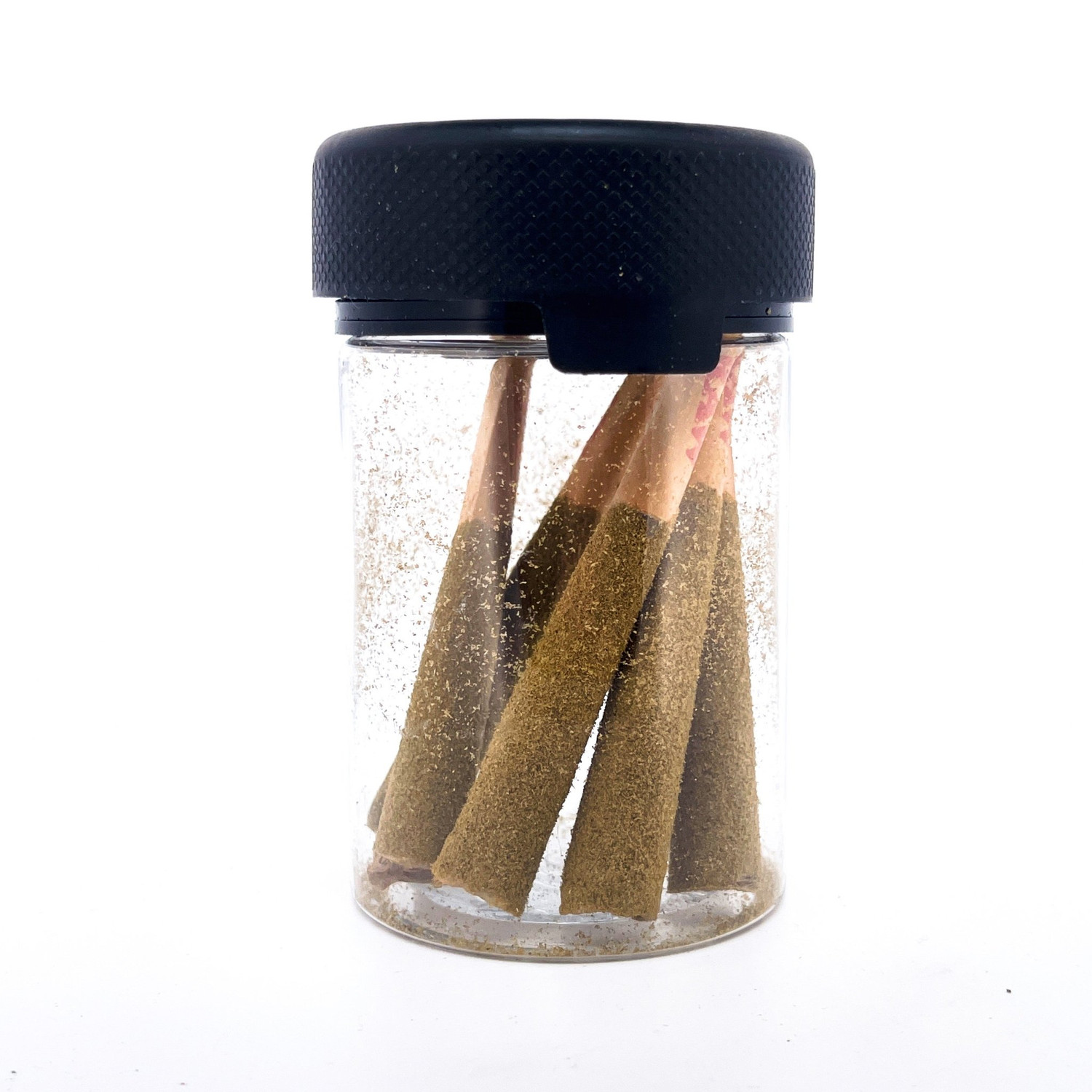


All of our THCa Flower Feature Volume Discounts up to 25% Off! Mix n' Match
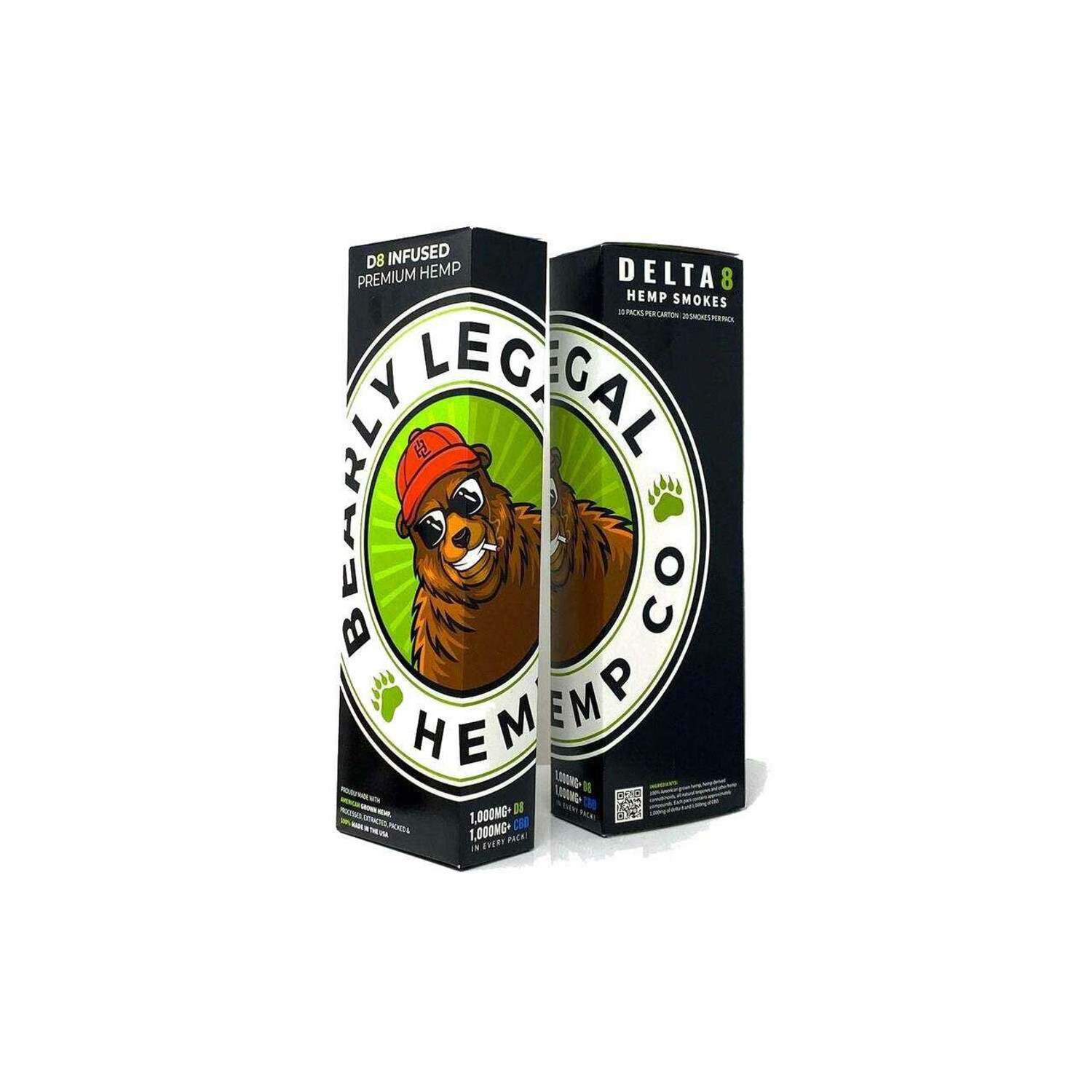
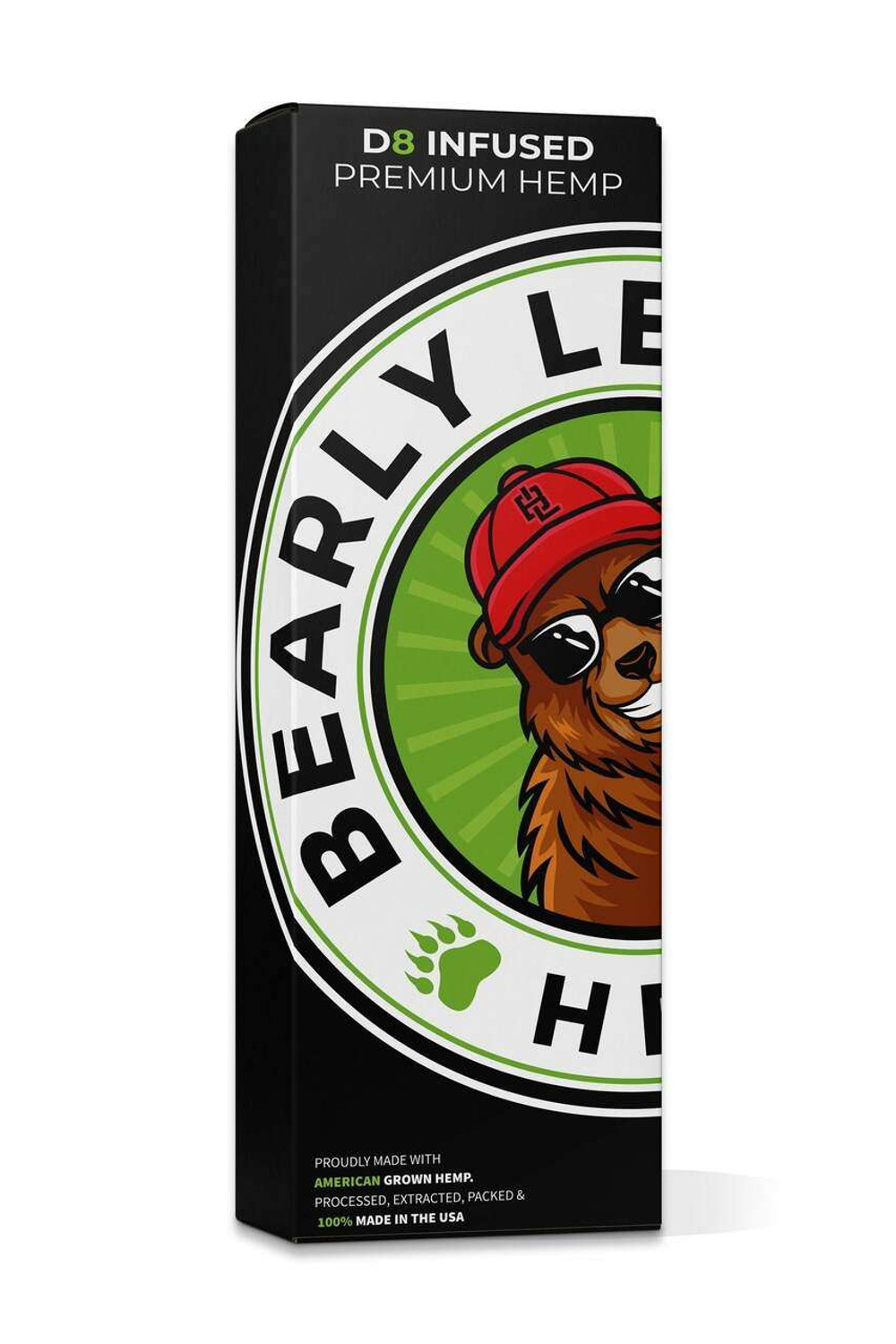
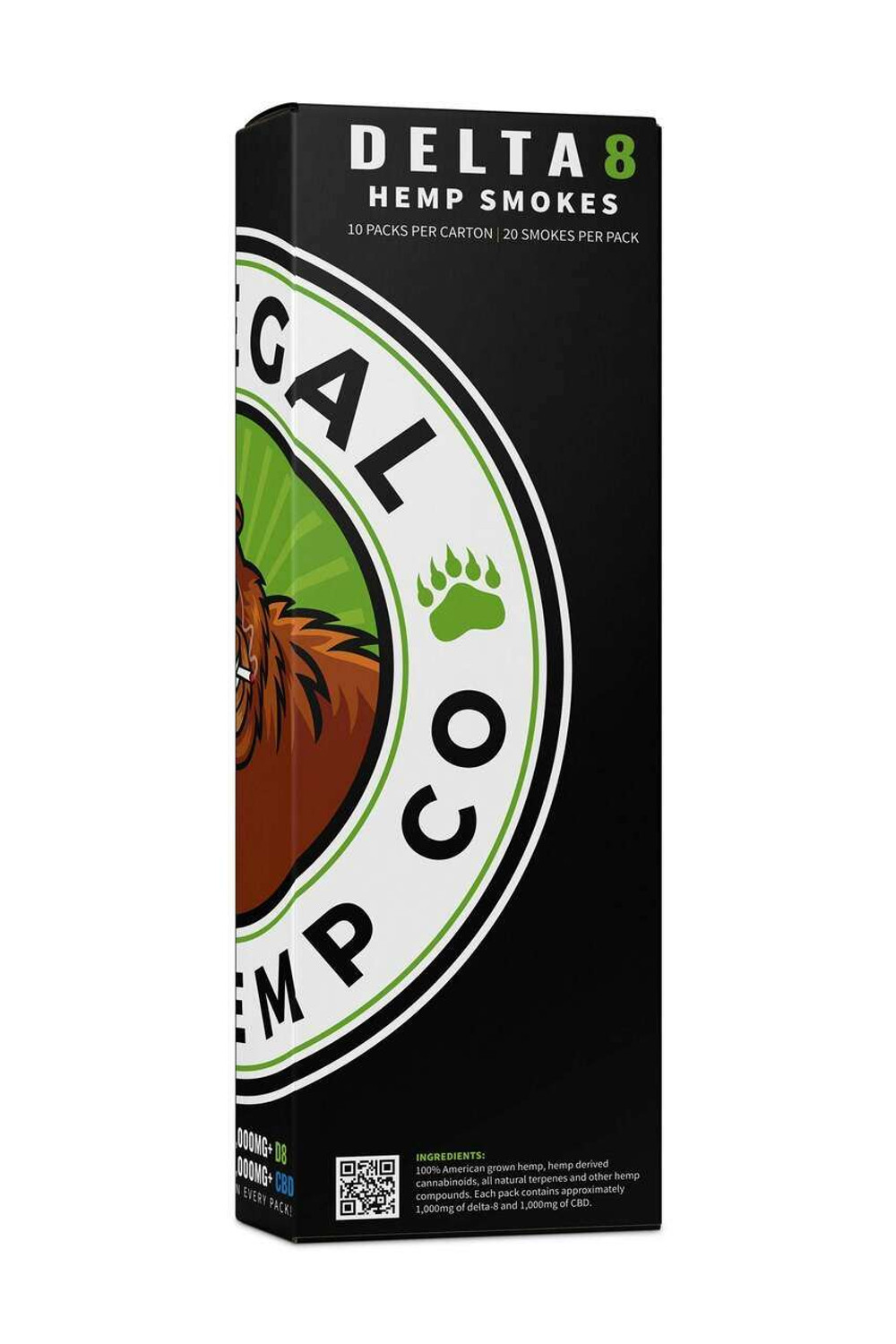
Delta 8 Cigarettes, HHC Cigs, or our amazing Nicotine Hemp Smokes online, shipped right to your door.
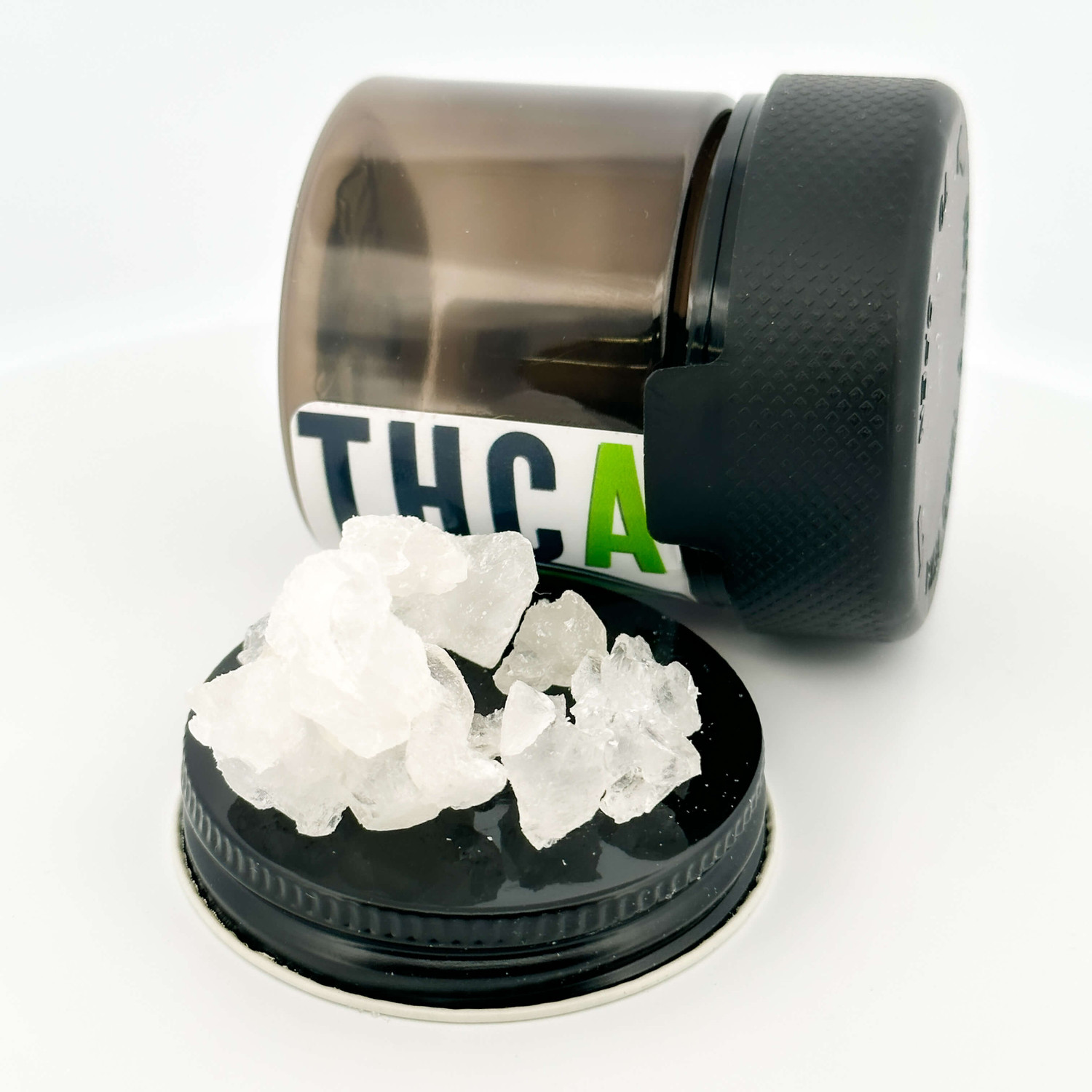
The Bear has new THCa rich strains coming in often! With off the charts THCa percentages, and a solid variety of strains, incl;uding some amazing indoor hydro and with new strains onboarding weekly. Plus our THCa diamonds are a girls best friend!
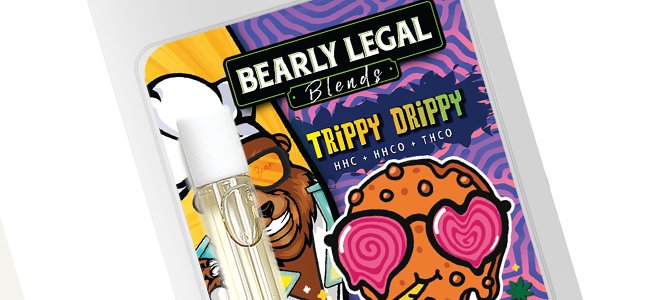
Truly unique blends of Exotic & Rare Cannabinoids.
Crafted to perfection, "The Art of the Entourage Effect".
It all started with laughter.

After sampling some of our new products at the time, a red-eyed CEO asked a graphic designer to make a logo of a bear smoking a joint. With the slogan "I Can't Believe it's not Weed". It was funny, it was dumb, but when the results came back, we knew it was genius. From that moment, Bearly Legal Hemp was born, and it has since grown into one of the most beloved hemp-derived cannabinoid companies in the USA.
From our humble roots in Binghamton NY, to our awe-inspiring and innovative facility in Scranton PA area, we have worked hard to create the ultimate selection of products that surpass the usual potency, purity, terpene, and safety that you'd expect from a hemp product. We're not here to copy, were here to innovate with new products, Why make what everyone else is? Let's launch one-of-a-kind products that have never been done before. From Delta-8 Hemp Cigarettes, to HHC Hemp Cigarettes and our Nicotine Hemp Cigarettes - all of which are made from the same machinery as big tobacco, we created something truly amazing. With a better taste, aroma and the buzz you crave, without the mystery ingredients in real tobacco and shipped right to your door.
At Bearly Legal, when we talk about quality, we're not just talking about what's in the products themselves, but the character and soul behind the brand too. Whether you're in it for the psychoactive effects, or the nostalgia of smoking and giggling with friends without the stigma of breaking the law... or simply trying something new, we want to make sure that our products give you the best experience that money can buy. We invite you to join us, and fly higher with the Bearly Legal Bear. Your experience is more than just a simple and safe transaction - it's a voyage of exploration, of discovery, and of joy that can only be found with Bearly Legal. Join us, and see why we're something special. And as always, Look for the Bear!